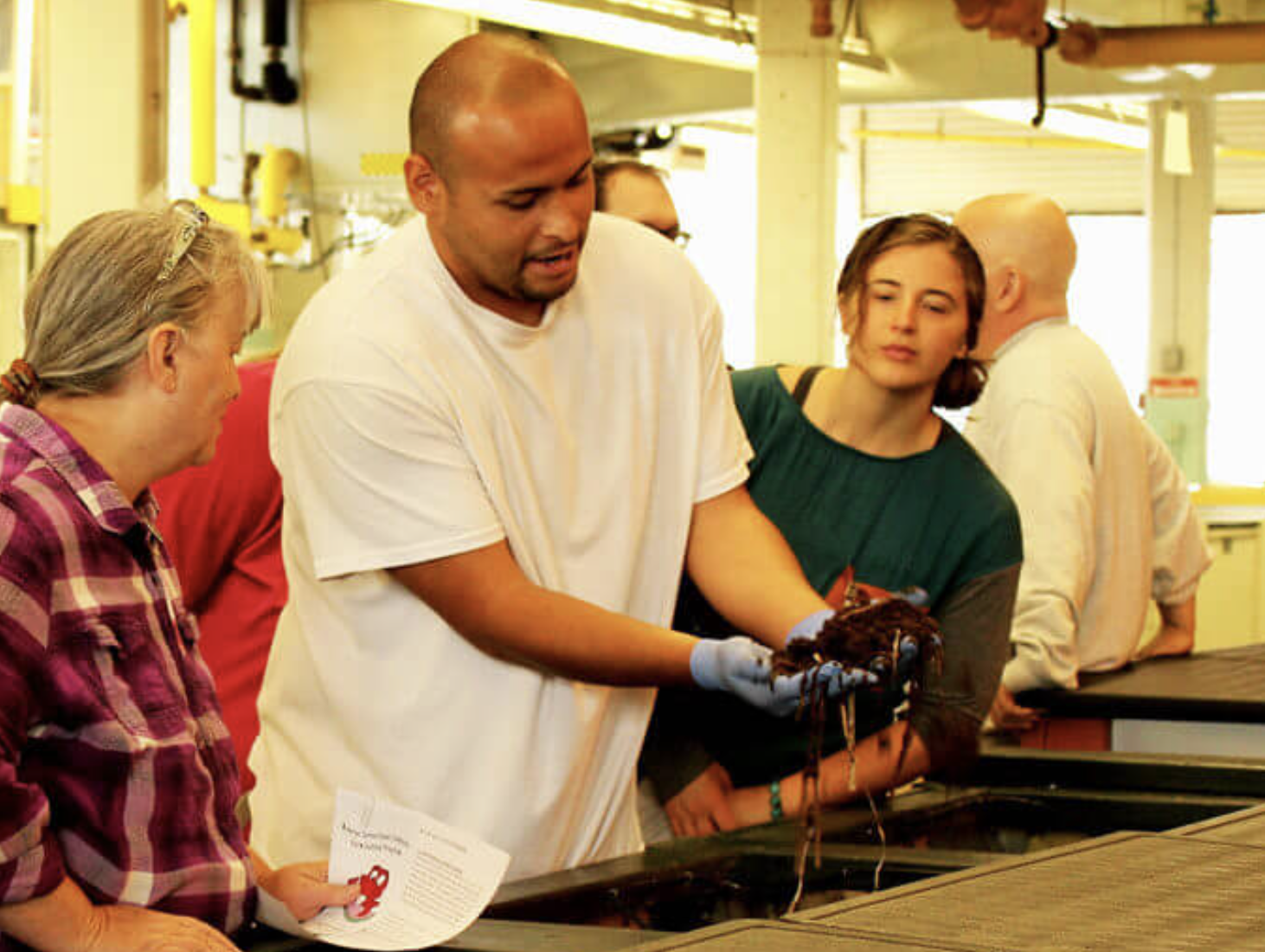
Sustainability programs in prisons can benefit the environment, society and incarcerated people alike.
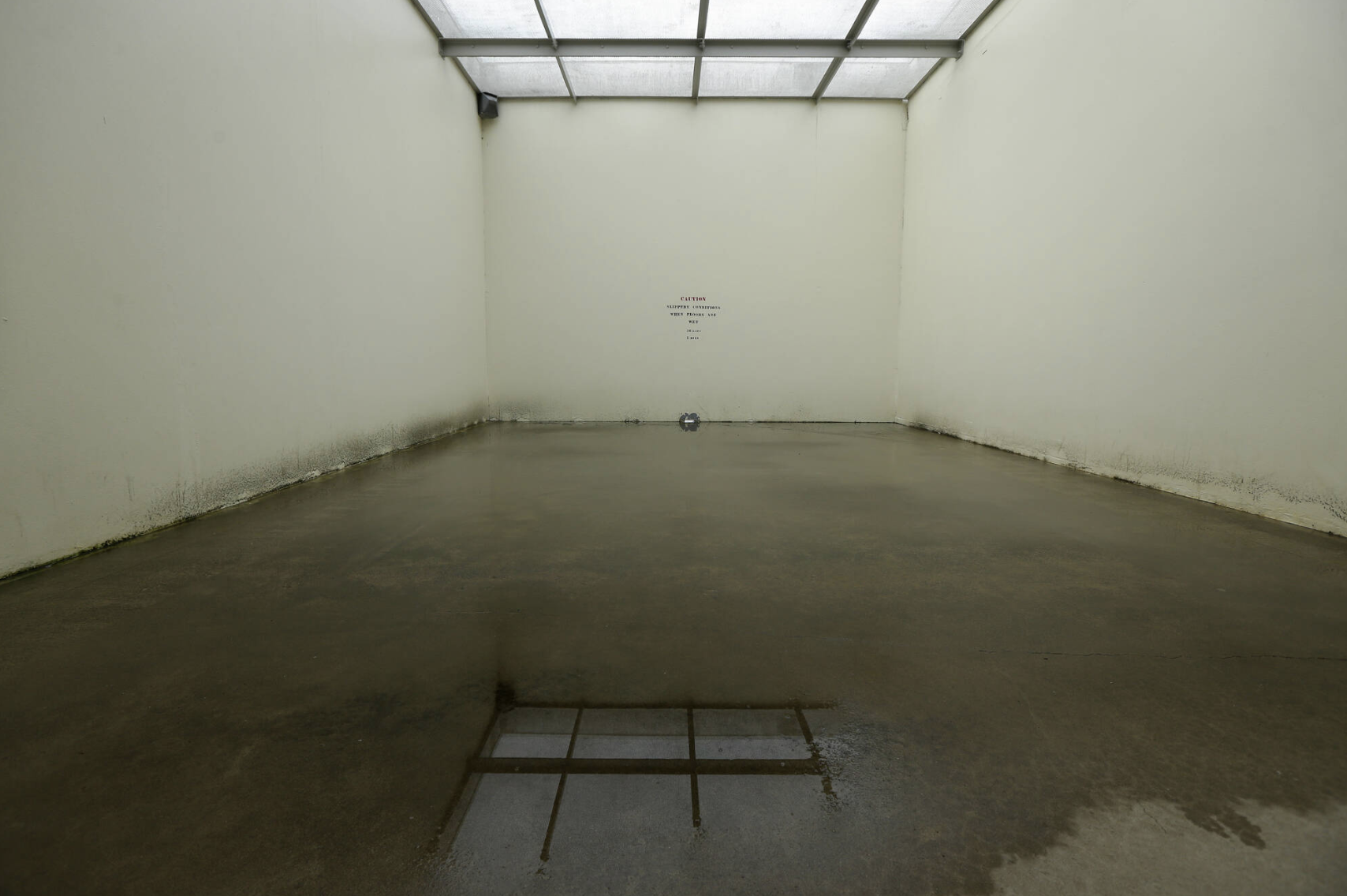
Every Covid lockdown means losing the few privileges that make incarceration more bearable.
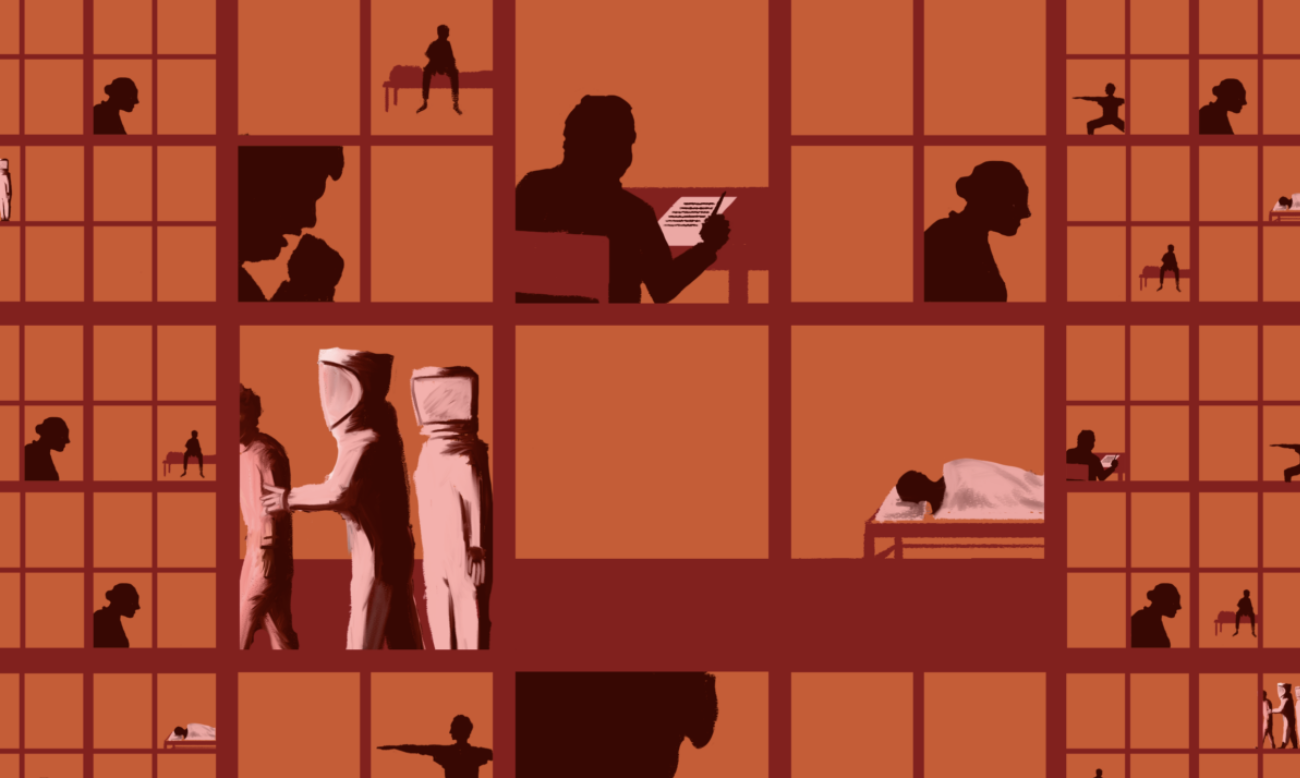
“Disciplinary segregation” is just one of the many phrases corrections departments use to describe solitary confinement.

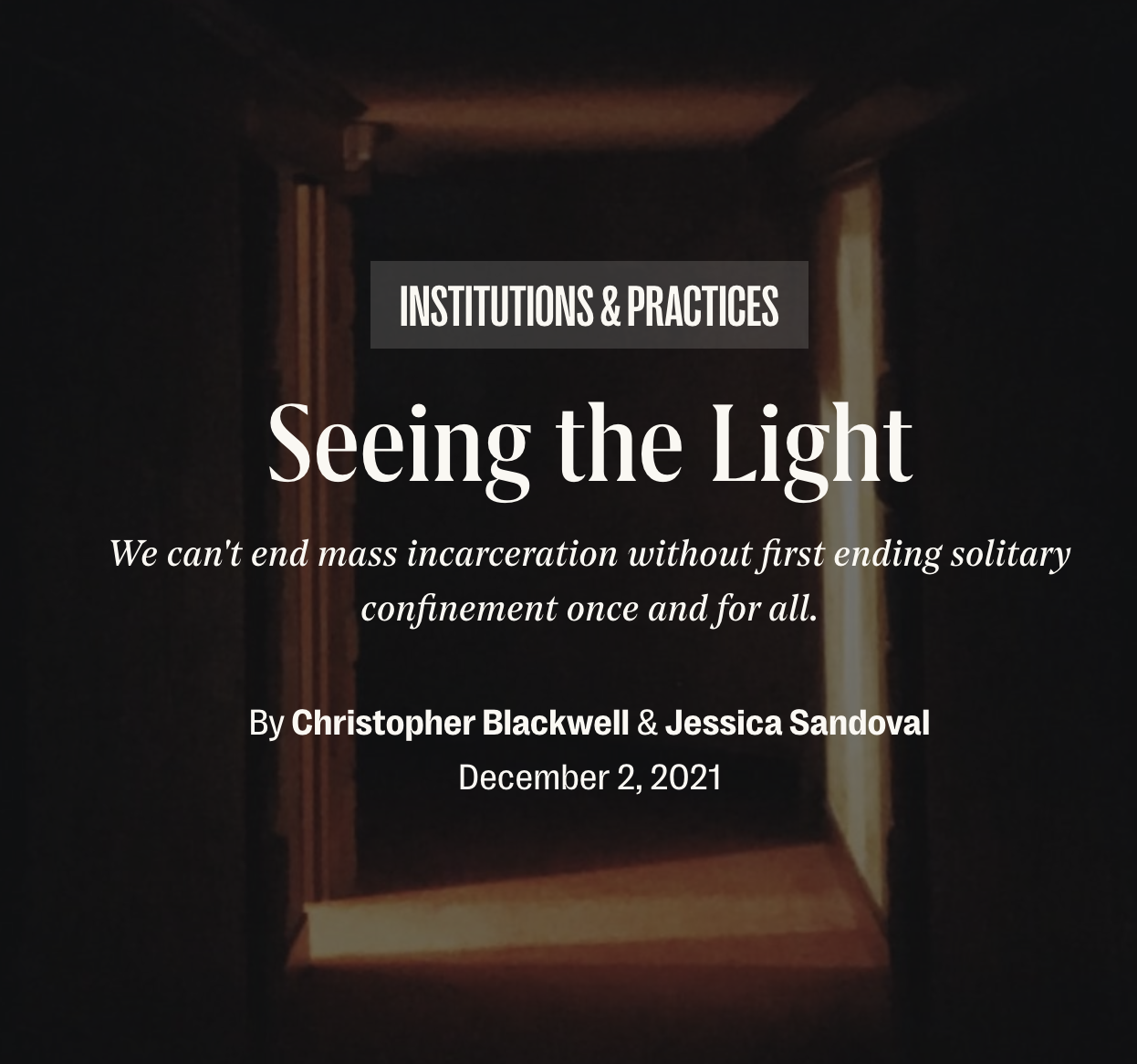
We can't end mass incarceration without first ending solitary confinement once and for all.

Incarcerated writers face significant challenges in exercising their free speech rights, including prohibitive communication costs, fear of retaliation, and isolation, which hinder their participation in public discourse on criminal justice reform.

Christopher Blackwell and Nick Hacheney argue that Washington should allow incarcerated individuals to earn early release through rehabilitation, reducing recidivism, prison overcrowding, and costs while promoting public safety.

Jessica Phoenix Sylvia details the systemic transphobia, abuse, and harassment she endures in a men’s prison, underscoring the urgent need for prison reform to protect transgender individuals.
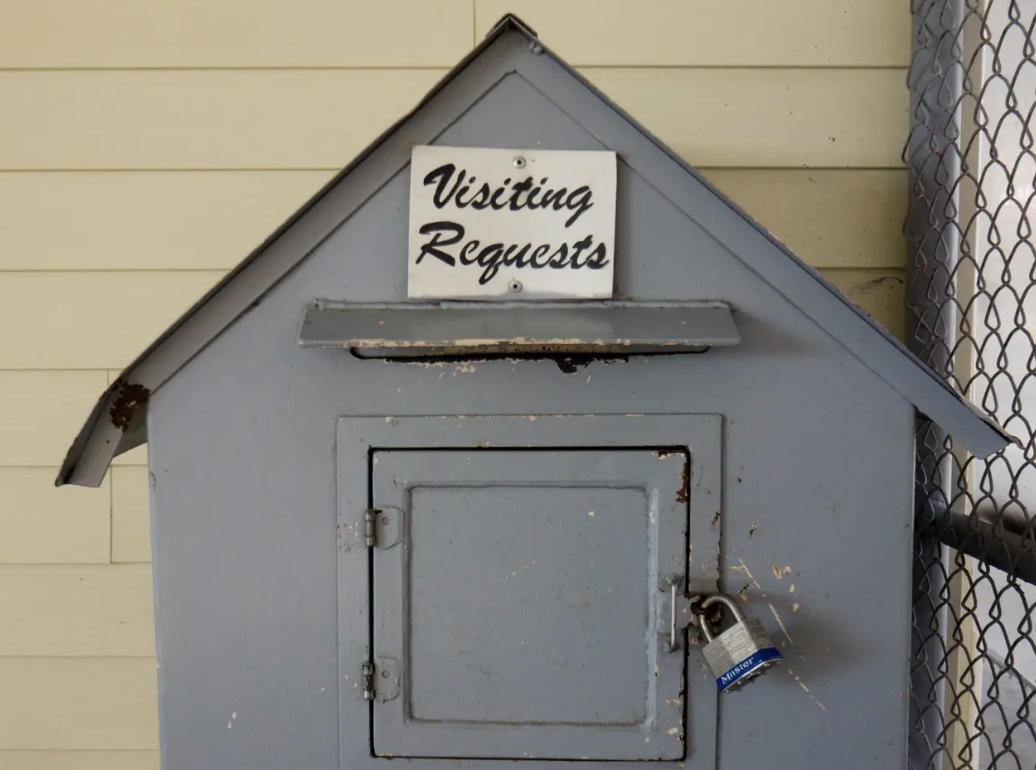
Studies show that a prisoner's human contact with loved ones makes it easier to reenter society.
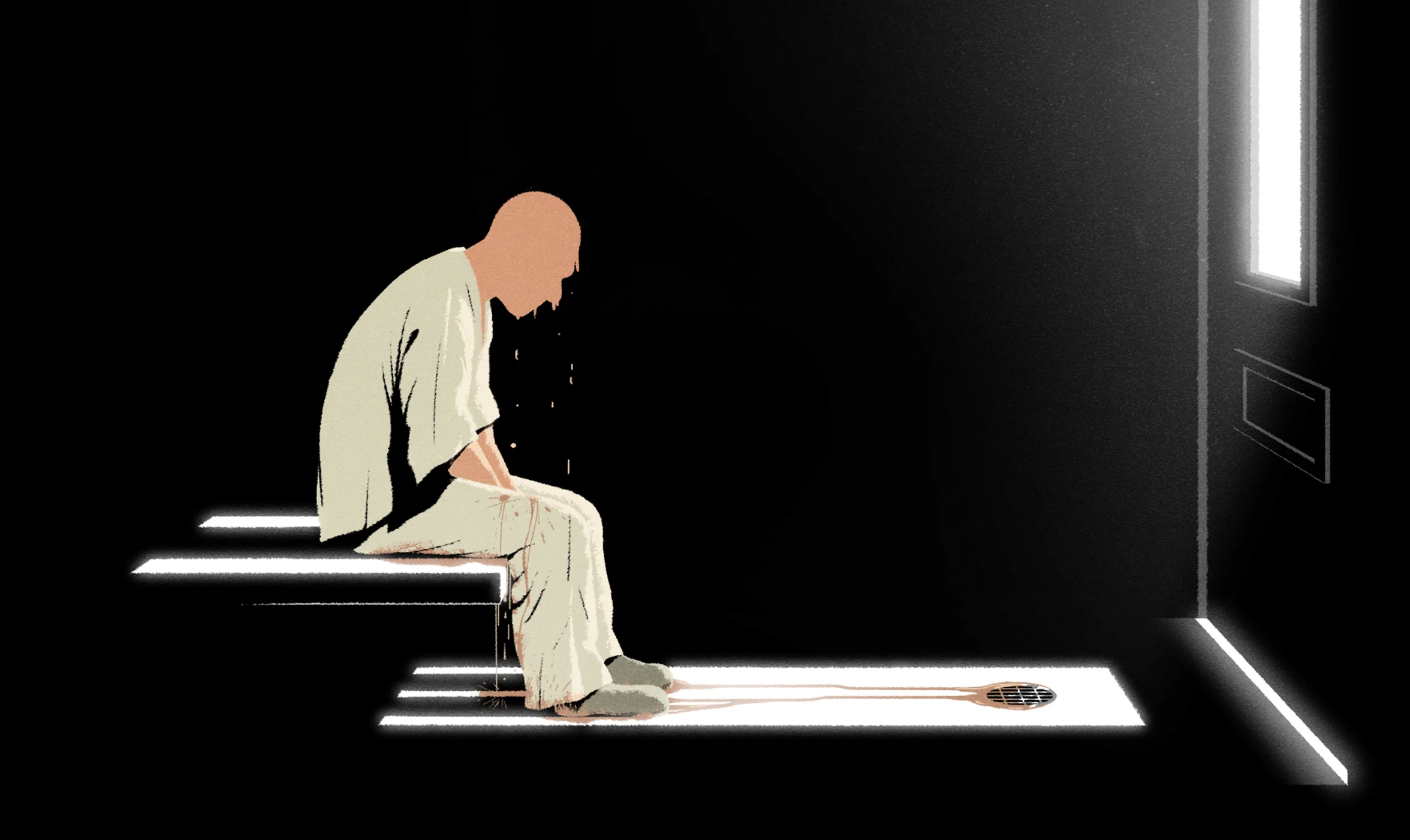
As the pandemic ravaged prisons and jails, officials opted to force people into inhumane solitary confinement. HuffPost spoke to some who described how they “nearly broke.”